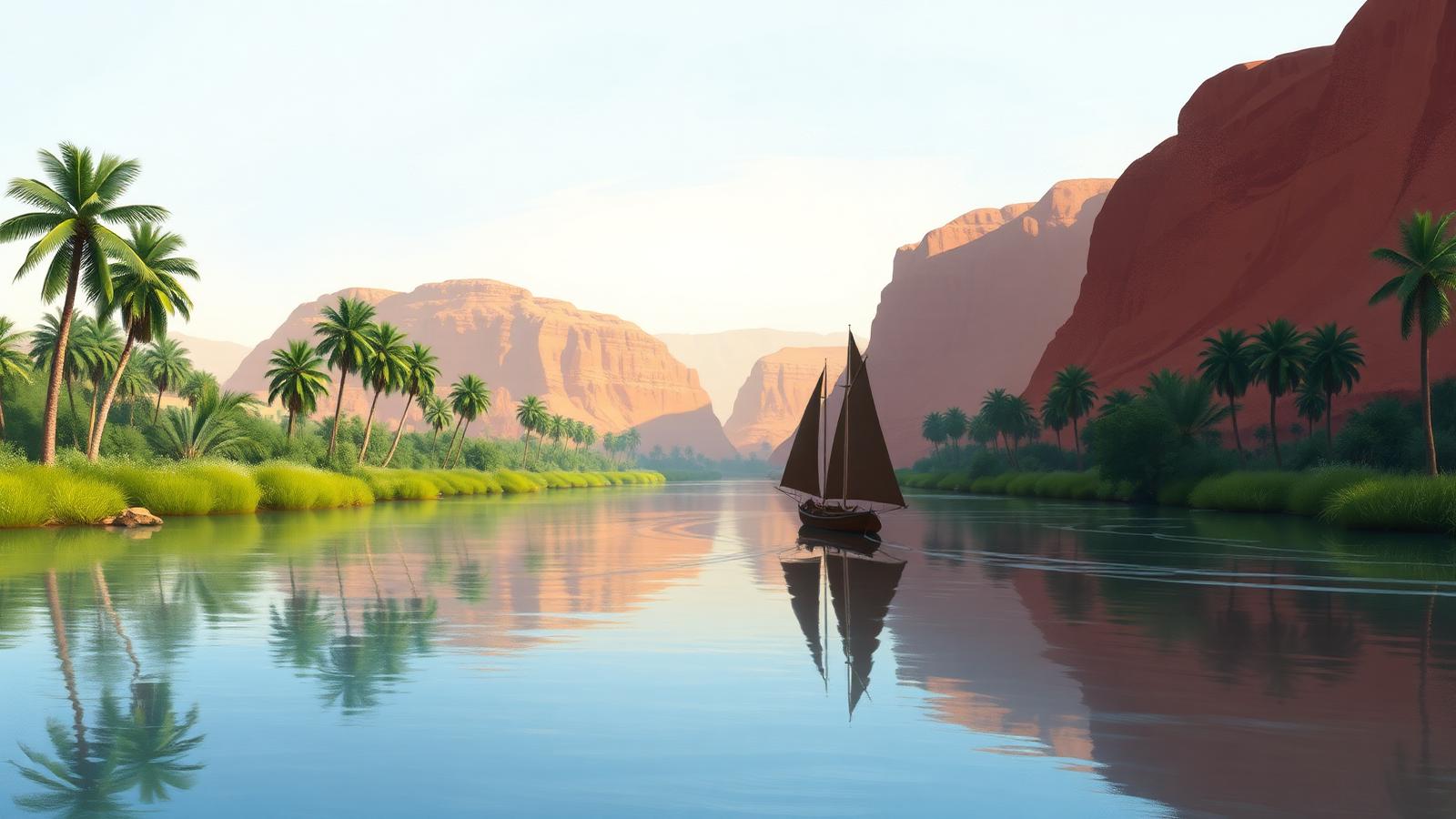
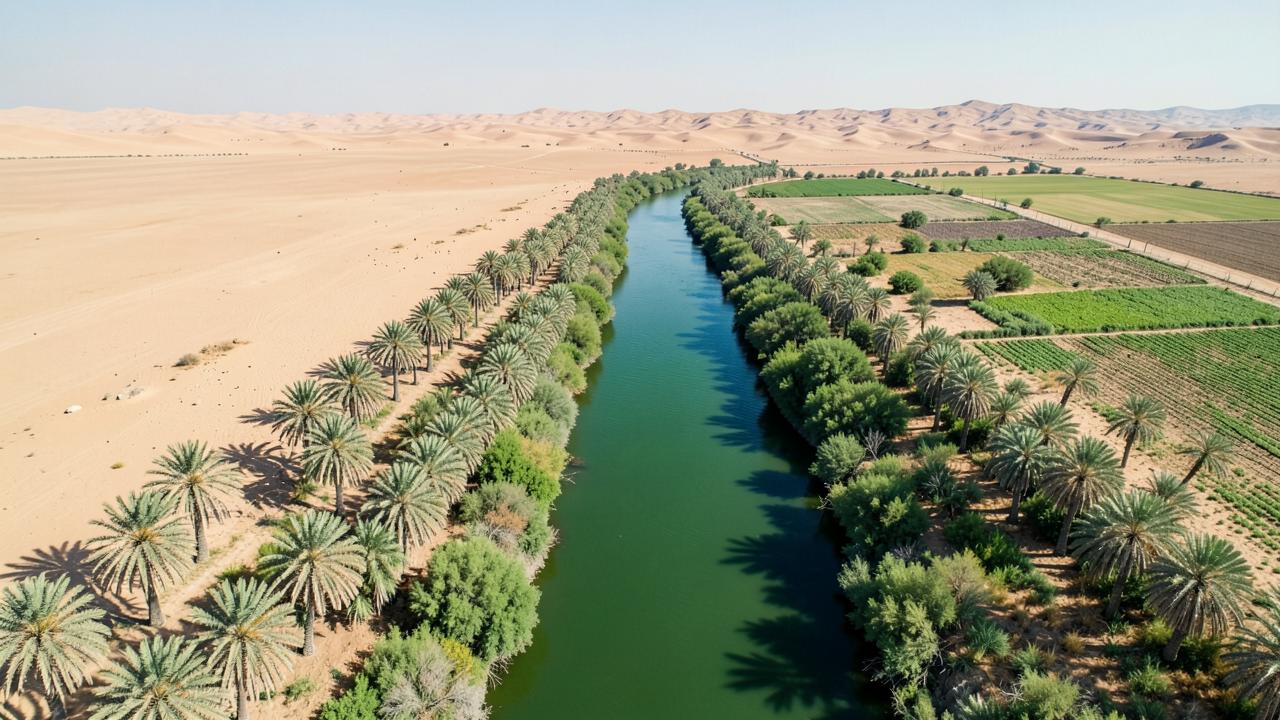
The Nile is one of the longest rivers in the world, but the part that is cruised is a small fraction of it, between Luxor and Aswan. The reason is not the river: it is that the monuments are there. The itinerary is set by a line of temples close enough to the bank to be visited from a moored vessel in a morning.
Because the reach is short and fixed, the voyages are also short, and boats work it in both directions continuously. What differs between them is the vessel and the timing rather than the route, which is why comparing Nile trips is mostly a matter of comparing boats and inclusions, not destinations.
The two extensions to that pattern come from engineering. The lock at Esna is the single navigational constraint on the reach, and Lake Nasser — the reservoir created upstream by the High Dam at Aswan — is a separate cruising area with its own small fleet, reached from Aswan and running to Abu Simbel.