Before you book
Ships explained
Ship size is a structural variable, not a quality rating.
The short answer
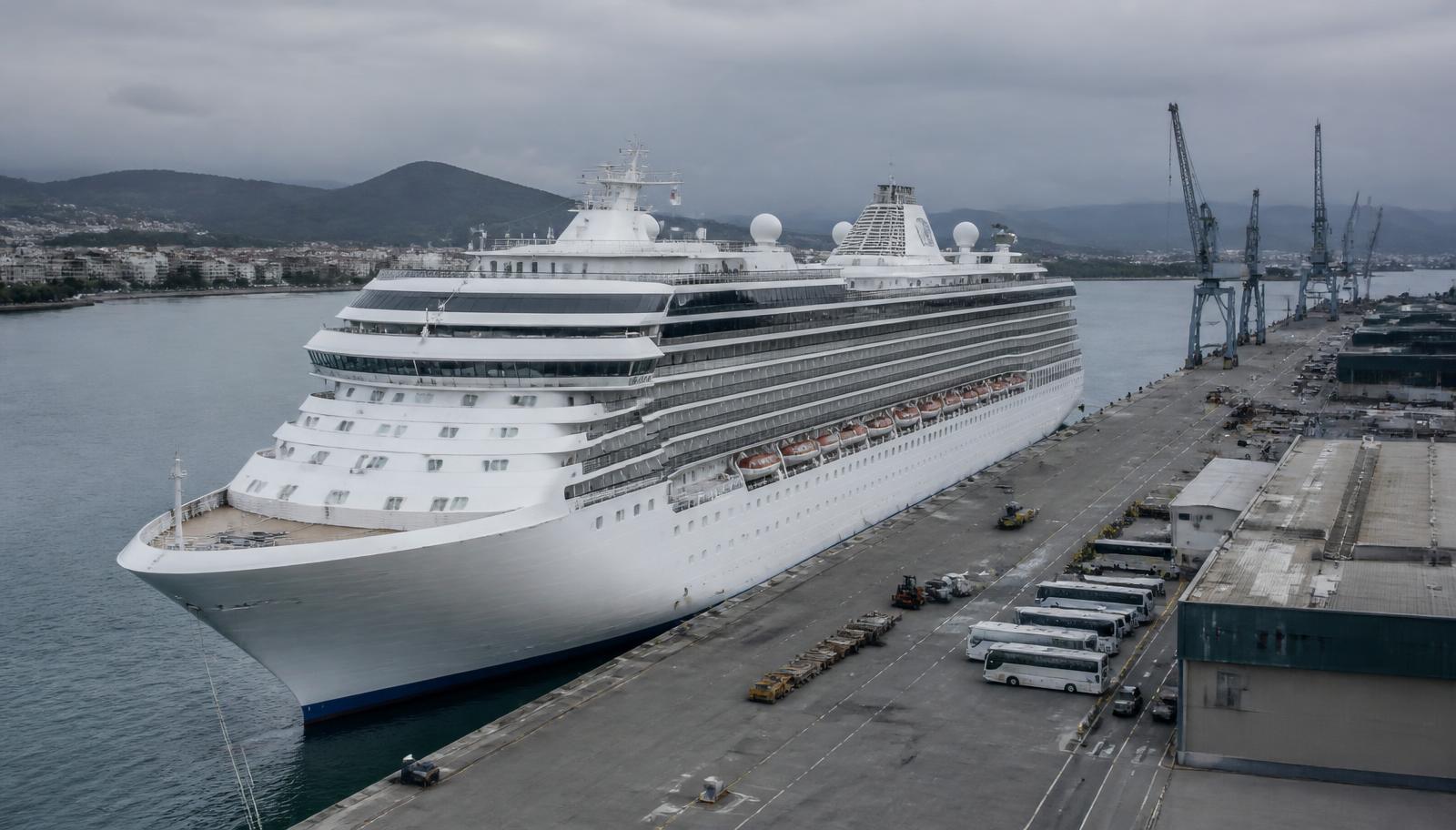
The size and type of a vessel decide which ports it can enter, how many facilities it can carry, how it behaves in a seaway and how many people step ashore at once.
Region, river and expedition pages describe the local consequence. The general mechanism lives here.
Orientation
A scale, not three fixed classes
The industry has no binding definition of small, mid-size or large, and the boundaries drift as ships get bigger. As a working orientation:
Increasing passenger numbers →
Small ships
A few dozen to a few hundred passengers
Expedition vessels and river vessels sit here by necessity.Mid-size ships
Roughly one to two thousand passengers
The workhorses of most classic itineraries.Large ships
Several thousand passengers
Effectively self-contained resorts.
Class
Lines group their ships into classes — sister ships built to the same design. Knowing that two ships share a class tells you the layout and facilities are broadly the same, which a name does not.
Consequences
What size actually changes
Five effects follow from scale, and they run from the itinerary all the way to the quayside.
- Where the ship can go
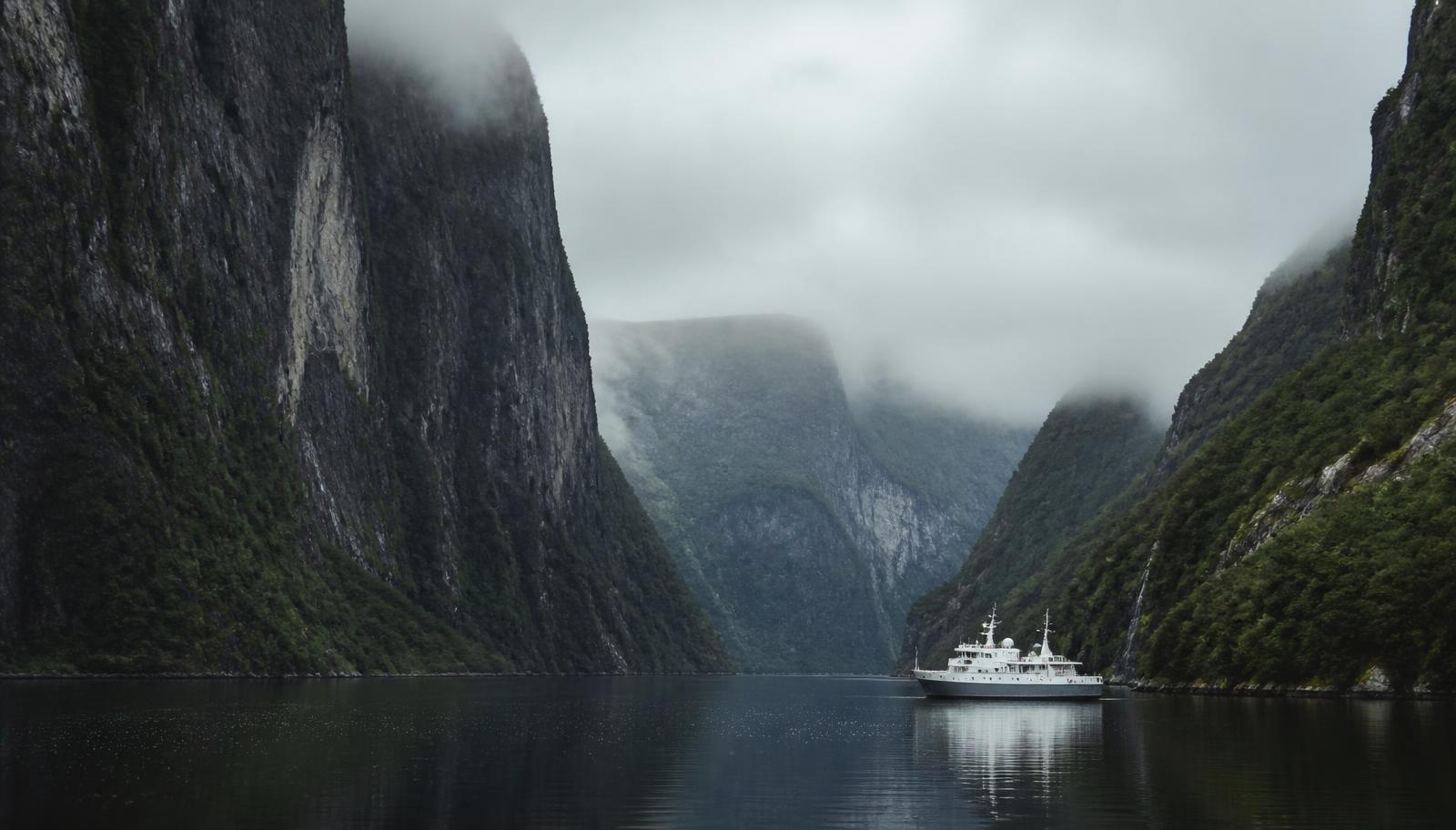
- The consequence with the most effect on your itinerary. Dimensions and draught determine which berths a ship can use, which channels and locks it can transit, and whether it must anchor offshore and tender. Larger ships are concentrated on itineraries built around deep-water, high-capacity ports; smaller ships can reach narrow waterways, shallow harbours and small communities where a large ship cannot dock at all. It is the same reason river vessels are dimensioned to locks and bridges, and expedition vessels to ice class and remote anchorages.
- Facilities on board
- Facilities scale with hull volume. Large ships can carry multiple pools, theatres, dining venues and signature features; small ships concentrate on a single dining room, a lounge and outdoor viewing space. These are different products, and the small-ship trade-off is usually deliberate.
- Stability and motion
- Larger, heavier ships and fin stabilisers both reduce perceived motion, so bigger ships generally feel steadier in the same sea. But sea conditions dominate: a large ship in an exposed crossing can move more than a small ship in sheltered water. Stabilisers reduce roll; they do not remove pitch, and they work under way rather than at anchor.
- Passenger density
- How busy a ship feels depends on passengers relative to public space, not on passenger count alone. A large ship with generous public areas can feel less crowded than a smaller, densely configured one. Density also concentrates at predictable points — embarkation, the gangway in port, the buffet at midday, the theatre before a show — rather than evenly across the day.
- Effect ashore
- The number of passengers a ship lands, and whether other ships call the same day, shapes the port experience: queues at the gangway or tender, capacity limits on tours, and how busy a small historic centre feels. Some destinations regulate calls or daily passenger numbers for this reason.
Position on board changes how much motion you feel as well, which is covered on cabins explained.
Beyond the standard cruise ship
Vessels built for a specific environment
Some ships are dimensioned by the waterway or the conditions rather than by the market.
River vessels
Long, low, shallow
Dimensioned to the locks and bridge clearances of a specific river system. See river cruising.Expedition vessels
Small, often ice-strengthened
Carry small boats for landings where no port exists. See expedition cruising.Sailing and small classic ships
Niche operating model
Built around small numbers of passengers and small harbours.
Two common misreadings
Age, refits and propulsion
Ships are periodically refitted, so an older hull may have current interiors, and a ship's launch year says little about its condition. Propulsion and emissions technology vary across fleets and are increasingly shaped by regulation; some ports require or reward shore power. These are factual differences to be aware of, not a scoring system.
Ship specifications, tonnage, deck plans and capacity tables are per-ship, change with refits, and are published by the operators. Which lines run which kinds of ships is outlined on cruise lines.